
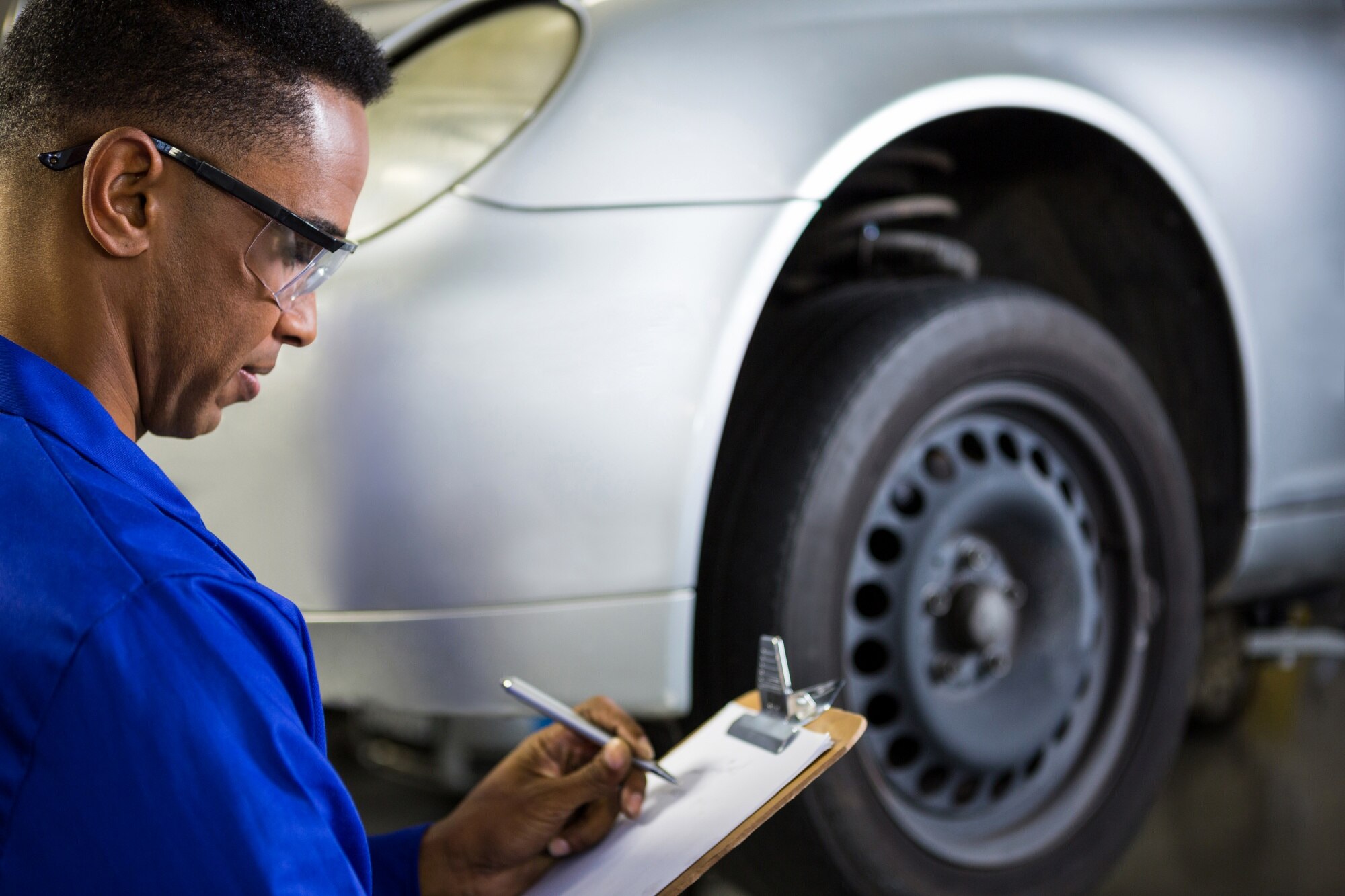
Complete Guide: What to do before buying or selling a car
The automotive market is a complex landscape where thousands of dollars can be saved or lost in a single transaction. Whether you are stepping into the role of a buyer searching for reliability or a seller aiming for the highest possible return, preparation is your most valuable asset. This comprehensive guide navigates the intricate steps required to ensure your next vehicle transaction is smooth, profitable, and stress-free.
Strategic Preparation for Buying a Vehicle
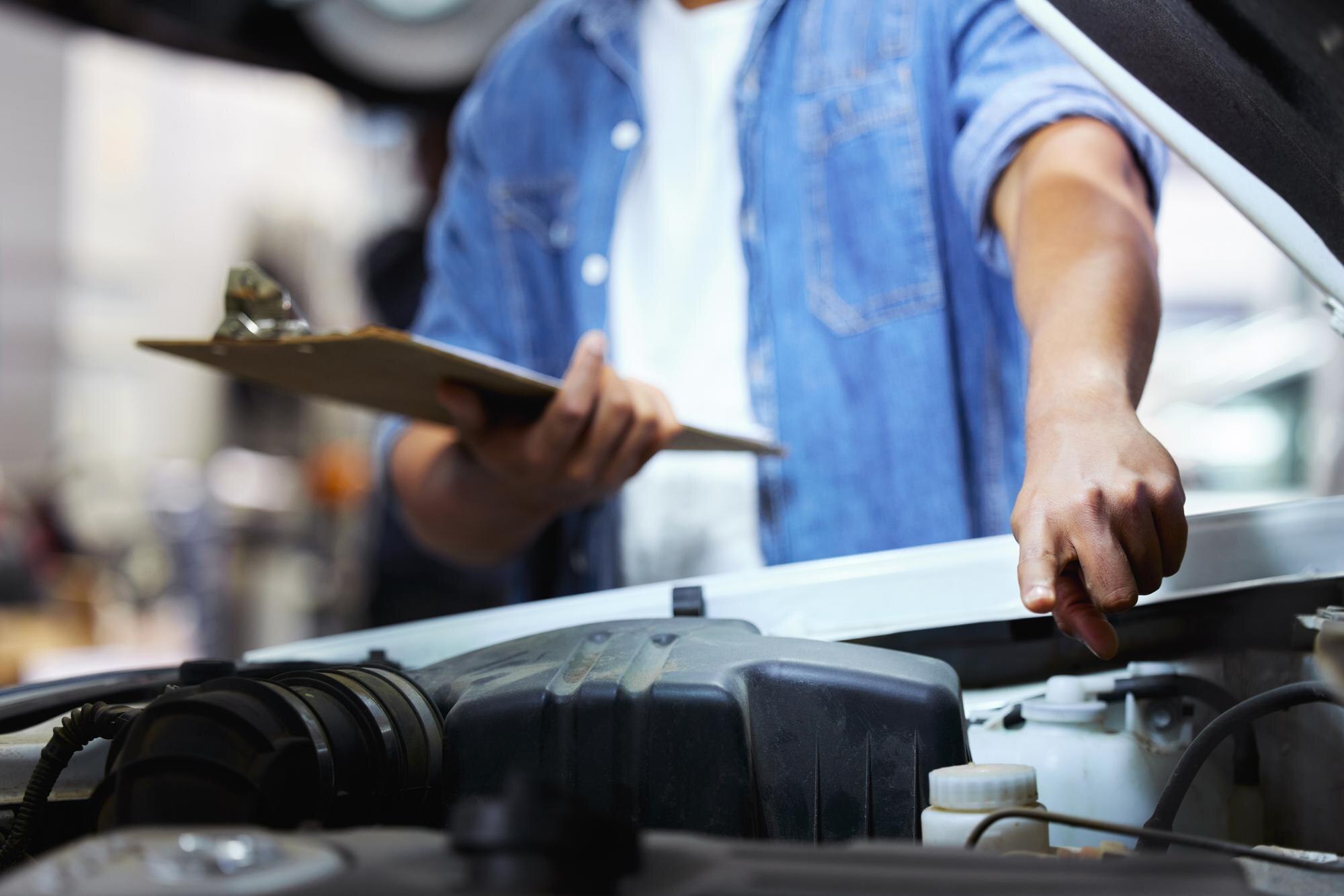
Success in car buying begins long before you visit a dealership or contact a private seller. The first step is a rigorous financial audit. You must determine not just the purchase price you can afford, but the total cost of ownership (TCO). This includes monthly insurance premiums, which vary wildly between models, fuel efficiency based on your annual mileage, and the anticipated maintenance schedule. Researching the reliability of specific year, make, and model combinations through owner forums and consumer reports is essential to avoid known mechanical pitfalls.
- Establish a firm budget including taxes, registration, and initial repairs.
- Secure pre-approval for financing from a credit union or bank to leverage better rates.
- Identify your needs versus wants—prioritize safety features and fuel economy over aesthetics.
Essential Preparation for Selling Your Car
If you are on the selling side, your goal is to present a vehicle that inspires confidence. A potential buyer is looking for reasons to walk away or negotiate the price down; your job is to remove those obstacles. Start with a professional-grade detail. A clean engine bay, polished headlights, and a vacuumed interior can significantly increase the perceived value of the car. Documentation is equally important. A vehicle with a complete, organized folder of service records suggests a history of care that justifies a premium price.
"A car is not just a machine; it is a significant financial asset that requires due diligence and transparency to protect your investment during a sale."
When listing the car, honesty is the best policy. Highlighting minor imperfections upfront builds trust and prevents wasted time during the physical inspection. Use high-quality photography, capturing the car from all angles in soft, natural light to showcase its true condition.
Navigating Inspections and Crucial Documentation
The Pre-Purchase Inspection (PPI) is the most critical step for any buyer. For a small fee, a qualified mechanic can identify hidden issues such as frame damage, engine sludge, or electrical gremlins that are invisible to the untrained eye. Simultaneously, you must verify the vehicle's history. A VIN check will reveal past accidents, title issues, and whether the odometer has been tampered with. For sellers, ensuring you have the title in hand, free of liens, is the only way to facilitate a quick and legal transfer of ownership.
Checklist for Documentation
- Valid Vehicle Title
- Maintenance & Repair Logs
- Vehicle History Report (VIN)
- Bill of Sale Template
- Warranty Information
- Emissions Test Results
Mastering the Art of Negotiation
Negotiation is often the most intimidating part of the process, but it doesn't have to be. For buyers, the key is to focus on the "out-the-door" price rather than monthly payments. Use the findings from the PPI to justify a lower offer. If the car needs new tires in six months, subtract that cost from the asking price. For sellers, know your "walk-away" number. If an offer is too low, be prepared to decline it politely. Often, the strongest negotiating position is being willing to leave the table if the terms aren't favorable.
Effective Methods to Save Money During Transactions
Saving money in the automotive world requires timing and strategy. Buying at the end of the month or year, when sales teams are racing to hit quotas, can yield thousands in discounts. For private transactions, look for motivated sellers who need to relocate or have already purchased a new vehicle. Additionally, consider the "three-year-old" rule: vehicles typically lose about 40-50% of their value in the first three years, making off-lease cars an incredible value proposition for buyers who want modern features without the steep depreciation hit.
Common Mistakes to Avoid
Many people fall into the trap of emotional buying—falling in love with a car's color or brand before checking its mechanical health. Another frequent error is skipping the test drive on various road types; a car that feels fine at 30 mph might vibrate uncontrollably at highway speeds. Finally, never ignore the title status. A "salvage" or "rebuilt" title significantly impacts the car's safety, insurance eligibility, and future resale value.
Conclusion: Your Roadmap to Success
Whether you are buying or selling, the secret to a successful car transaction lies in the details. By conducting thorough research, insisting on professional inspections, and maintaining a disciplined approach to negotiations, you protect your financial interests and ensure peace of mind. Remember that a car is a tool for your life, and the effort you put into the transaction today will pay dividends for every mile you drive in the future.


Real Success Stories from Our Community
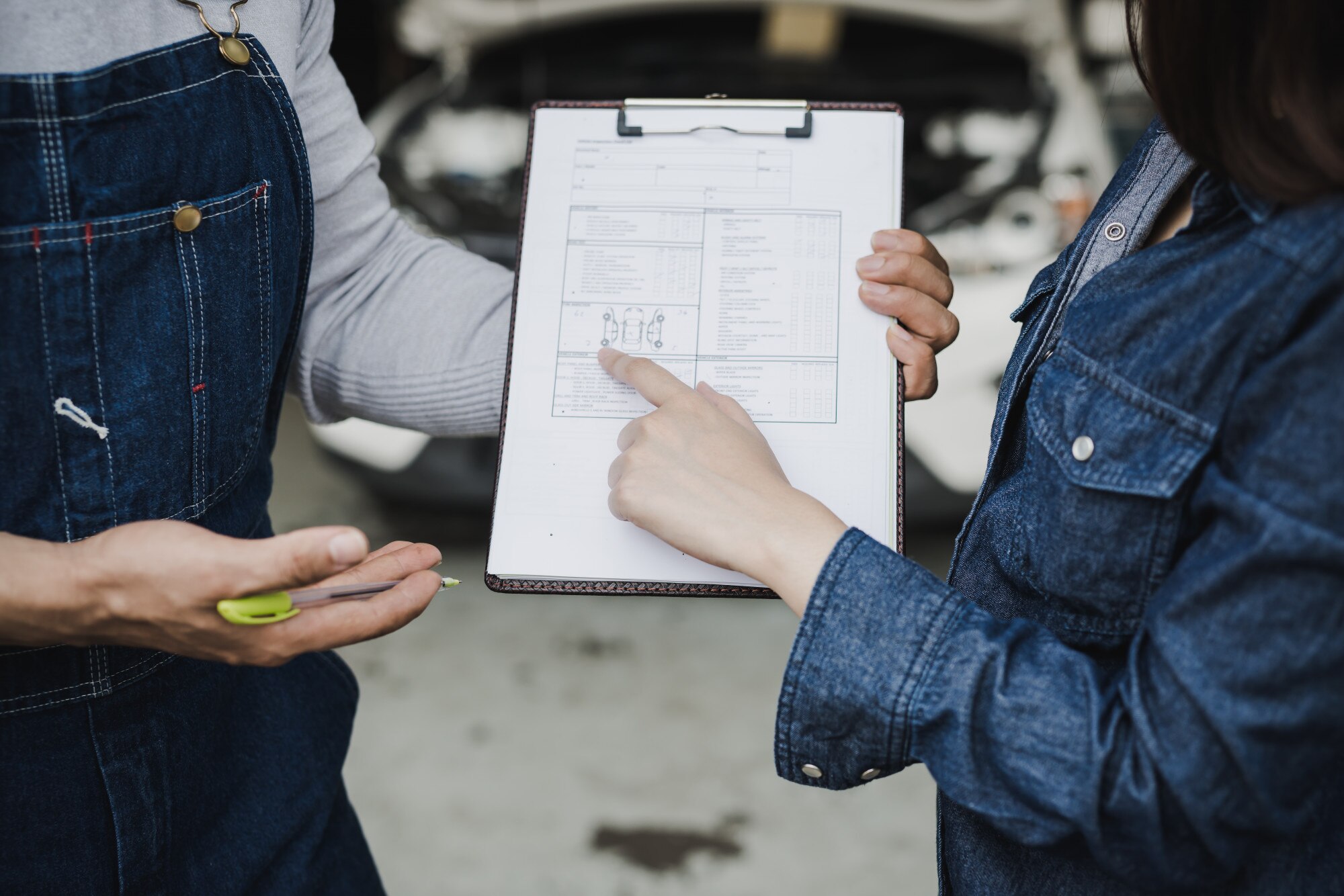
Discover how Quazely readers are saving thousands and accelerating their car sales using our expert-led guides and checklists.
The negotiation guide is pure gold. I walked into the dealership with confidence and walked out with 1200€ still in my pocket. Highly recommended for any first-time buyer.
Marcus Thorne
12/05/2026
I struggled to sell my old sedan for a month. After reading the Fast Sale article, I retook the photos and rewrote the ad. It was gone in just 3 days!
Sarah Jenkins
19/05/2026
The pre-purchase inspection list helped me spot a major oil leak that the seller tried to hide. Saved me at least 2000€ in immediate repairs.
Liam O'Connell
26/05/2026